
Tools And Tips
To Prepare For Interviews
Start with the basics by practicing common questions and planning your follow-up so that you can walk into your next interview feeling prepared and confident.
Table Of Content

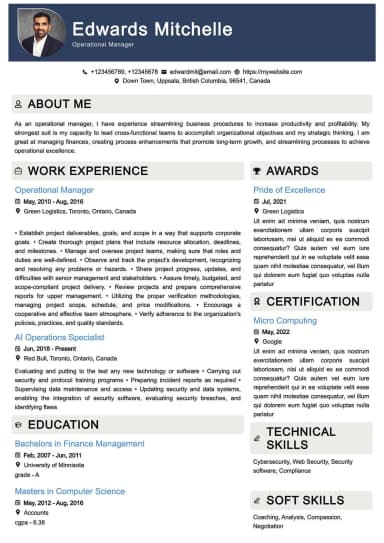
Build your resume in 15 Minutes
Use professional field-tested resume templates that follow the exact ‘resume rules’ employers look for.
Essential Tools and Tips to Prepare for Interviews in 2025
Preparing for an interview means more than just reviewing your CV. The right tools and smart planning can make a real difference.
No matter if you are a first-time job applicant or an experienced candidate, these tricks will help you nail every single interview with confidence and brilliance.
 Practice with mock interviews and AI tools
- Research companies thoroughly before your interview
- Use the STAR method for answering behavioral questions
- Prepare key questions to ask the interviewer
- Leverage tools for scheduling and follow-ups
Quick Tip
Quick Tip
Record yourself answering common questions because it will help you identify nervous habits and areas for improvement. It enhances self-awareness, tone, and delivery. In addition, by playing back your recording, you will notice the patterns you might miss in the moment. With practice, you will sound clearer and more confident.
Interview Practice Tools
Online platforms now offer AI-powered mock interviews, real-time feedback, and expert coaching. Thus, doing practice on a regular basis will help you reduce anxiety and improve delivery.
- Simulate real interview scenarios
- Receive feedback on tone and content
- Build confidence through repetition

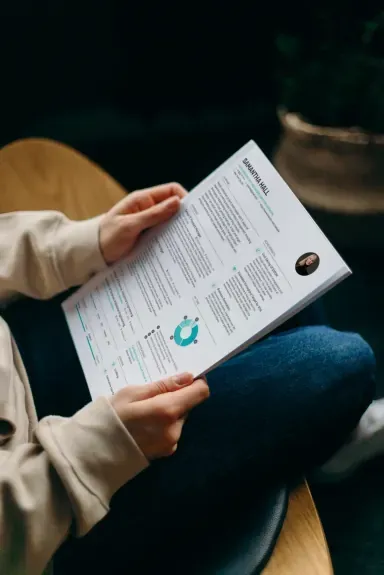
Tailor Your Resume To The Job With Just One Click
With our resume tailoring feature, you can make sure your resume is related to the job you're applying for. You just need to copy and paste the job ad in our AI resume builder, and we'll show you what you need to include in order to pass the ATS screening.
Build a Tailored ResumeResearch and Company Insights
It is important to know the company's culture, recent news, and role expectations as they reflect initiative. You can use tools like LinkedIn, Glassdoor, and company websites to stay informed.
Insights
- Always email your thank-you note within 24 hours. Keep it short, sincere, and customized to the interview.
- Tools like Boomerang or Gmail’s built-in scheduler help you time your messages perfectly.
- Mention specific topics discussed and reinforce your enthusiasm for the role.
- Include work samples, portfolios, or requested documents with clear labels.
- If a response timeline has passed, check in politely without being pushy.
- Send a personalized request and reiterate one memorable moment from your conversation.
- Templates ensure structure but always adapt the tone to the specific job.
- Avoid slang or emojis to stay consistent with your professional image.
Pro Tip
Pro Tip
Bring examples of your work or results—real, specific accomplishments are more memorable than vague claims and help interviewers clearly visualize the value you can bring.

Behavioral Interview Strategies
Employer asses you on the basis of your past behavior to make conclusions about your future performance and job fit in their company. One important way to excel is by preparing thoroughly and using the STAR method (Situation, Task, Action, and Result) to build your answers clearly. It makes sure you highlight your skills with relevant examples.
- Flawless, structured responses
- Validates problem-solving and adaptability
- Shows results-driven thinking
10 Most Common Job Interview Questions – Answered
Post-interview follow-ups can set you apart. Use templates and scheduling tools to send timely thank-you notes and reminders.
Why do you want this job?
They want to see if you're genuinely interested and if you understand the role.
What are your greatest strengths & weaknesses?
Recruiters want to check if you are self-aware and honest. So, talk about your useful strengths and weaknesses with an example. Make sure you pick something real but not damaging, especially for your weakness, and then explain how you are working on improving it.
Do you have any questions?
Hiring managers want to see if you're curious and serious about the job. Therefore, ask questions that show interest, like about the team, growth opportunities, or company culture. Don't say no—always ask something.
Why should we hire you?
This is your chance to confidently show you're the right fit. Make sure to summarize your top strengths, match them to the job, and explain how you'll help the company succeed.
What are your salary expectations?
Here, recruiters want to know if your expectations match their budget. So, do some research before the interview. Give a range based on the market, and say you're open to discussion depending on the full offer.
Tell us about your work experience
Employers want to understand your background and how it relates to the role. So, keep it simple. Talk about past roles, what you did, what you learned, and how it connects to the job you're applying for.
What do you like least about your job?
The answer to this question reveals how you handle challenges and if you're leaving for the right reasons. So, be honest but polite.
Tell me about yourself
They want to get to know you and see how you present yourself. So, start with where you are now, briefly explain your past experience, and finish with what you're looking for next.
Why are you applying for this position?
They want to know your motivation and if you're a good fit. Talk about what you like in the job posting and how it matches your skills and interests. Show them you're excited about this specific role.
Can you explain your employment gap?
They want to know what you were doing and if the gap will affect your work. Again, be honest when you answer this question. You can mention taking care of family, learning new skills, or dealing with health issues, then focus on how you're ready to work now.
Follow-Up Tools and Etiquette
Post-interview follow-ups can set you apart. Use templates and scheduling tools to send timely thank-you notes and reminders.
Etiquette
- Always email your thank-you note within 24 hours. Keep it short, sincere, and customized to the interview.
- Tools like Boomerang or Gmail’s built-in scheduler help you time your messages perfectly.
- Mention specific topics discussed and reinforce your enthusiasm for the role.
- Include work samples, portfolios, or requested documents with clear labels.
- If a response timeline has passed, check in politely without being pushy.
- Send a personalized request and reiterate one memorable moment from your conversation.
- Templates ensure structure but always adapt the tone to the specific job.
- Avoid slang or emojis. Stay consistent with your professional image.

Pros
Pros
Knowing your strengths helps you speak more clearly, feel more confident, and do better in interviews. When you understand what you're good at, you can explain it easily and show why you're a good fit for the job.

Cons
Cons
It's good to get ready for an interview, but if you prepare too much, you might sound stiff or like you're reading from a script. Try to find a balance—know your points, but speak in a natural way. Being your true self helps build trust and makes a better connection with the interviewer.
Frequently Asked Questions (FAQs)
What are 5 good tips for an interview?
The five good tips for an interview include:
- Research the company you are applying for thoroughly.
- Practice common interview questions out loud.
- Think and practice smart questions to ask the interviewer.
- Show positive body language.
- Send personalized thank-you notes.